
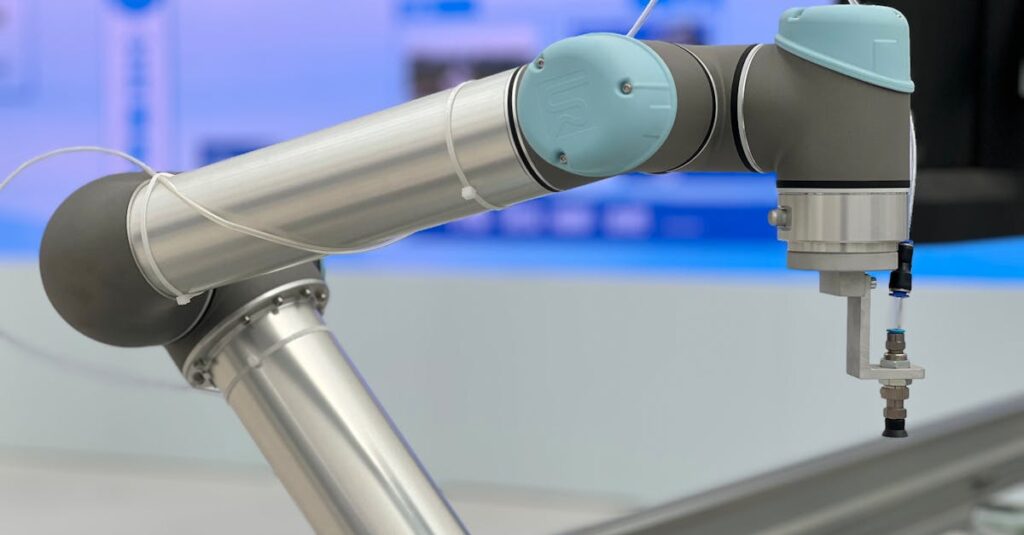

In a world where coffee breaks and lunch hours seem to vanish faster than a magician’s rabbit, robotic process automation (RPA) swoops in like a superhero in a business suit. Imagine a tireless assistant that never complains, never needs a raise, and can handle mundane tasks with the precision of a laser-guided robot. RPA isn’t just a buzzword; it’s a game-changer that’s transforming how companies operate.
Table of Contents
ToggleOverview of Robotic Process Automation
Robotic process automation (RPA) represents a transformative technology in business operations. This tool revolutionizes efficiency and productivity by automating repetitive tasks.
Definition and Key Concepts
RPA refers to the use of software robots to perform routine tasks usually carried out by humans. These tasks, such as data entry and report generation, require minimal decision-making. Key concepts include user interface interactions, which allow robots to mimic human actions effortlessly. Furthermore, RPA operates in tandem with existing systems, eliminating the need for extensive redesigns. By leveraging machine learning and artificial intelligence, RPA enhances capabilities and adapts to evolving processes.
Importance in Modern Business
Modern businesses benefit significantly from robotic process automation. Cost savings often emerge from reduced labor expenses and enhanced productivity. Companies experience faster processing times, which leads to improved customer satisfaction. Additionally, RPA frees employees from mundane tasks, allowing them to focus on higher-value activities. This technology fosters a competitive advantage by streamlining operations and maximizing efficiency. As organizations embrace RPA, they can better respond to market changes and enhance overall agility.
Benefits of Robotic Process Automation
Robotic process automation (RPA) offers several advantages that significantly impact business operations. These benefits include cost efficiency, increased accuracy and productivity, and enhanced compliance and reporting.
Cost Efficiency
Cost efficiency ranks among the top benefits of RPA. Automating routine tasks reduces the labor costs associated with repetitive work roles. Companies often achieve substantial savings, with reports indicating up to 30% reduced operational costs within the first year of implementation. By reallocating resources, businesses can invest in strategic initiatives rather than manual processes. Additionally, RPA minimizes errors and the need for rework, leading to further financial savings. Overall, RPA streamlines workflows, optimizing budget allocations while maintaining high standards of service.
Increased Accuracy and Productivity
Increased accuracy and productivity are critical advantages of robotic process automation. RPA eliminates human error, ensuring tasks are performed consistently and with precision. Statistics reveal that organizations experience a productivity boost of 200% to 400% after implementing RPA solutions. Employees can redirect their focus from mundane tasks to high-value activities, fostering innovation and creativity within the workforce. Moreover, RPA operates 24/7 without fatigue, significantly improving turnaround times for processes like data entry and report generation. Ultimately, the combined effect enhances overall organizational efficiency.
Enhanced Compliance and Reporting
Enhanced compliance and reporting represent vital benefits of RPA. Automation facilitates standardized processes that align with regulatory requirements, reducing the risk of non-compliance. RPA solutions maintain comprehensive logs of all automated activities, simplifying audits and ensuring accountability. Organizations gain insights from real-time reporting, allowing them to monitor performance metrics effectively. This visibility helps identify areas for improvement, ensuring optimal operational practices. As a result, RPA empowers businesses to uphold compliance standards while enhancing decision-making capabilities through accurate data analysis.
Challenges of Implementing Robotic Process Automation
Implementing robotic process automation (RPA) presents several notable challenges that organizations must address. Awareness of these challenges ensures a smoother transition.
Technical Barriers
Technical barriers often hinder successful RPA implementation. Legacy systems may not easily integrate with modern RPA solutions. Compatibility issues between software robots and existing systems can create delays. Additionally, organizations may lack in-house IT expertise to manage complex deployments. IT teams must navigate potential cybersecurity concerns, ensuring robust security measures. Proper training on new technologies is also crucial. Without a solid foundation in automation tools, employees may struggle to utilize RPA effectively. Organizations should anticipate these technical challenges and develop strategies to mitigate risks.
Change Management Issues
Change management issues frequently arise during RPA implementation. Employees might resist new technologies out of fear of job displacement. With RPA handling repetitive tasks, workforce anxiety can increase. Transparency becomes essential in communicating the benefits of automation to staff. Engagement initiatives, like training programs, can help employees adapt. Encouraging a culture of innovation fosters acceptance of RPA across teams. Promoting the idea that RPA empowers workers to focus on high-value tasks rather than threatening their roles supports smoother transitions. Successful change management ultimately leads to a more harmonious integration of RPA technologies.
Industry Applications of Robotic Process Automation
Robotic process automation (RPA) finds application in various industries, enhancing efficiency and streamlining operations.
Finance and Accounting
Finance and accounting sectors leverage RPA for automating repetitive tasks like invoice processing and reconciliations. Companies can achieve up to 30% cost reduction within the first year by integrating these automated processes. Accuracy significantly improves, as RPA reduces human errors by ensuring consistency in data entry and calculations. Speed becomes a crucial factor; organizations frequently report increases in processing times by 200% to 400%. Compliance and reporting also benefit, with RPA’s ability to maintain thorough records for audits and real-time insights aiding in regulatory adherence.
Healthcare
In healthcare, RPA automates administrative tasks such as patient registration and claims processing. Hospitals and clinics experience decreased workloads, allowing healthcare professionals to focus on patient care instead of paperwork. By automating appointment scheduling, patient communications, and data management, efficiency increases substantially. RPA also enhances accuracy in health records, mitigating risks associated with manual entry. This technology facilitates compliance with healthcare regulations, ensuring secure and streamlined data handling while maintaining high standards of patient confidentiality.
Customer Service
Customer service industries utilize RPA to manage high-volume inquiries and ticketing systems. Automation allows for quicker response times, which enhances customer satisfaction significantly. RPA tools can handle repetitive tasks such as processing returns and managing FAQs, thereby freeing agents for more complex issues. Organizations see increased operational efficiency, with automation handling large volumes without diminishing service quality. Furthermore, RPA helps in personalizing customer interactions by analyzing data trends, ensuring tailored responses that improve overall customer experience.
Robotic process automation stands as a transformative force in the business landscape. By automating repetitive tasks it not only enhances efficiency but also empowers employees to engage in more strategic initiatives. As organizations navigate the complexities of implementation they must address potential challenges while embracing the benefits RPA offers.
With its ability to reduce operational costs increase accuracy and improve compliance RPA is more than just a trend; it’s a vital tool for businesses aiming to remain competitive. As industries continue to evolve the integration of RPA will play a crucial role in shaping the future of work. Embracing this technology can lead to a more agile and innovative organizational culture ready to tackle the demands of tomorrow.


